


Artificial intelligence-driven fintech Optasia, which began as a Nigerian airtime credit provider in 2012, yesterday made a giant leap with its listing on the Johannesburg Stock Exchange (JSE). Valued at R23.5 billion ($1.4 billion), this makes it Africa’s largest fintech IPO to date.
Now headquartered in Dubai, Optasia aims to deepen its footprint across Africa and emerging markets in Asia. It currently operates in 38 countries, mostly in Africa, and its platform processes over 32 million loan transactions daily, serving 121 million active users monthly.
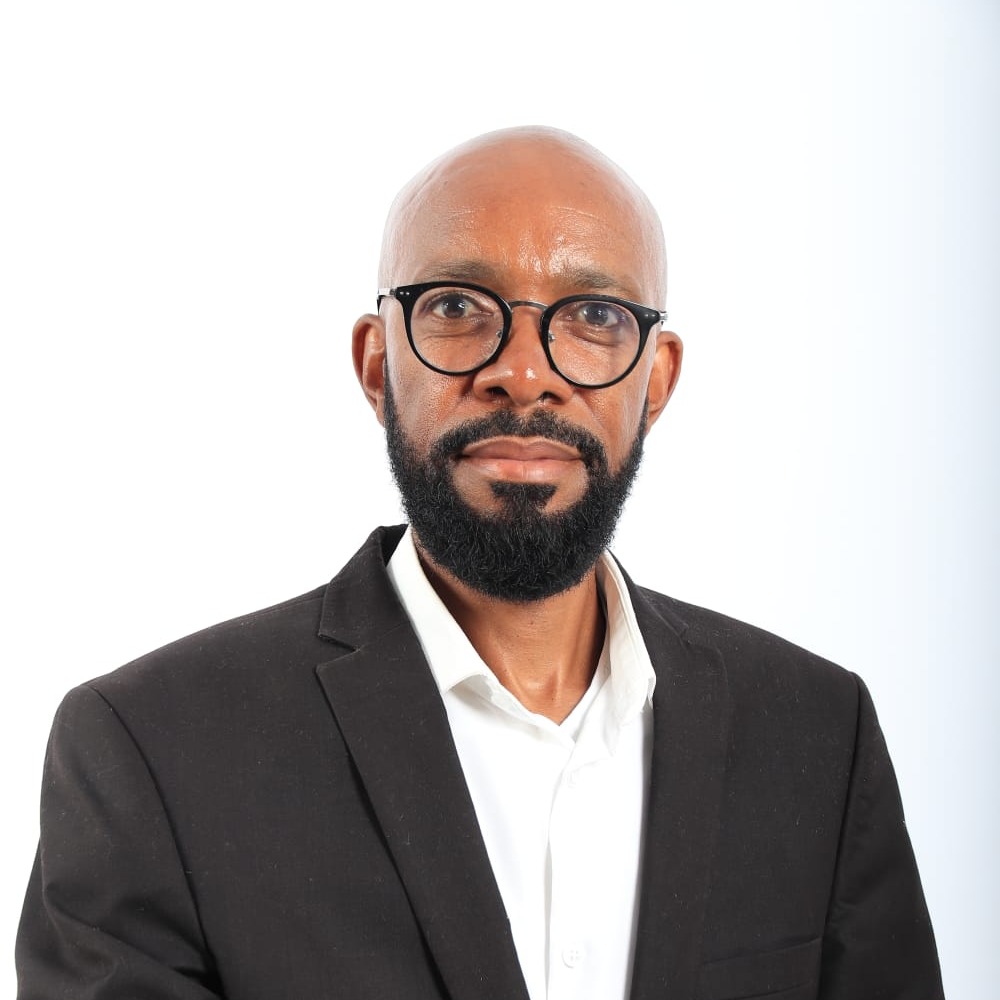
Speaking after the historic JSE listing yesterday, Bassim Haidar, the company’s Nigerian founder, said its model enables mobile operators and banks to extend microloans, airtime advances, and small-business credit to unbanked and underbanked populations.
Across Africa, it partners with telco giants Airtel, MTN, Zain and Vodacom to enable mobile customers access to credit through their phones.
“Our mission remains clear: to enable financial inclusion for the next billion customers,” said Haidar
Standard Bank, which played a central role in Optasia’s IPO, hailed the listing as a milestone for Africa’s fintech ecosystem.
Yusuf Noorbhai, head of Structured Capital at Standard Bank Corporate and Investment Banking, said Optasia’s success is a reflection of Africa’s growing capability to produce and scale world-class and technology-enabled businesses.
“Optasia’s IPO represents a massive vote of confidence in the JSE as a listing venue for African companies, including high-growth technology-enabled businesses.
Optasia CEO Salvador Anglada revealed that the Africa-born fintech operates in major African markets such as Nigeria, Kenya, South Africa, Ghana, Tanzania, Egypt, and Côte d’Ivoire. But the future plans include new Asian markets, including India, Indonesia, and the Philippines.
“We’re expanding into Asia and strengthening our partnerships across Africa. Through AI-led financial decision-making, we aim to empower more people and SMEs to access fair credit and participate fully in the digital economy,” she said.
Share