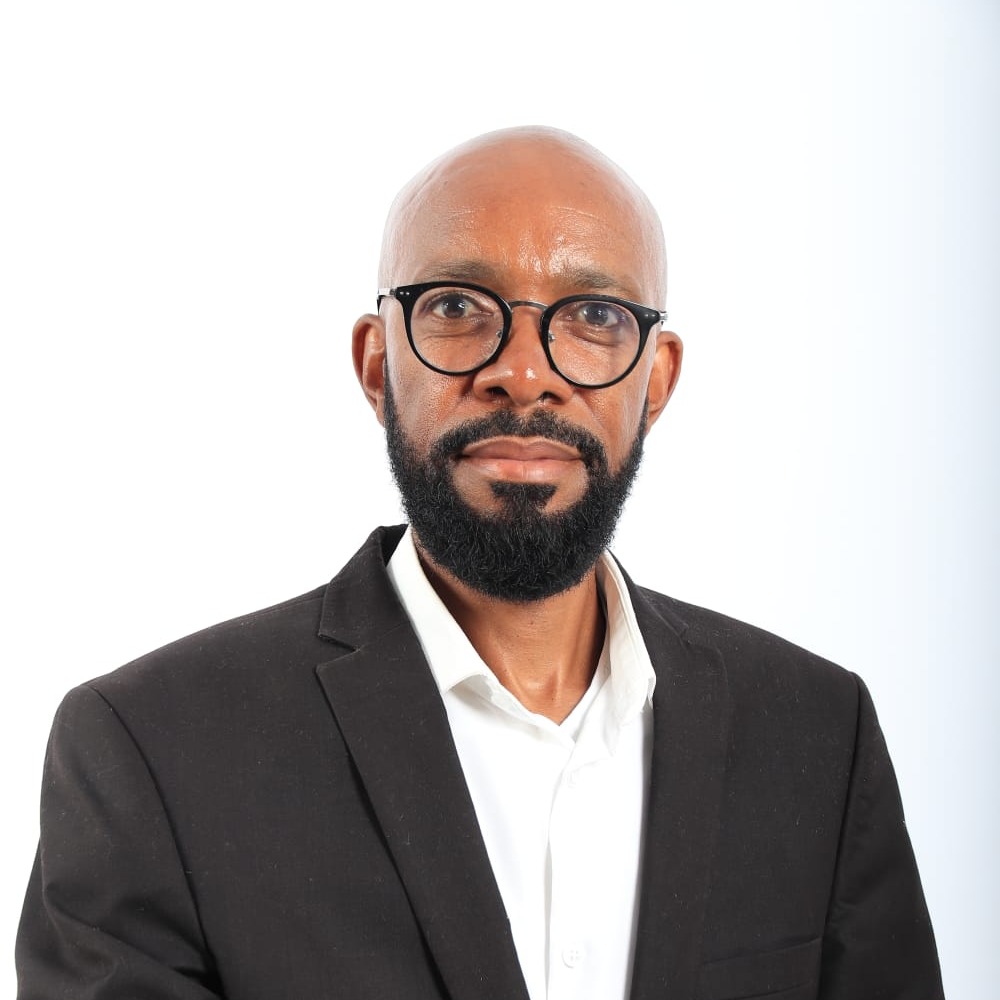



MTN Ghana is set to inject US$1.1 billion into country's economy over the next three years, in what executives describe as a giant step toward accelerating the country’s digital and Artificial Intelligence (AI) ambitions.
The announcement was made during a three-day working visit to Ghana by Ralph Mupita, president and CEO of MTN Group over the weekend.
The investment will focus on strengthening network infrastructure, expanding 4G and 5G coverage, building large-scale data centres and improving customer experience.
“Over the next three years, we will reinvest about US$1.1 billion in Ghana to enhance network resilience, deepen digital inclusion and support Ghana’s AI and cloud aspirations,” said Mupita.
Following discussions with Ghana Investment Promotion Centre CEO, Simon Madjie, Mupita emphasised the necessity of staying current with the AI revolution in one of the company's best-performing markets.
“I think AI will affect jobs, to be clear, but AI will create more jobs than losses. I’m proud that MTN Ghana was the best operational cost market. Congratulations to Stephen Blewett and the team for their achievement,” he stated.
MTN Ghana, which commands roughly 58% of the market, remains the country’s largest telecoms operator, serving more than 25 million mobile subscribers.
Its Mobile Money (MoMo) platform has over 11 million active users and continues to drive financial inclusion through merchant payments, microloans and remittance services.
The fresh capital injection echoes a similar pledge made in 2022, when MTN committed to invest more than US$1 billion over five years to modernise infrastructure, expand 4G population coverage beyond 90% and support national roaming in partnership with the Ghana Investment Fund for Electronic Communications (GIFEC).
That programme also strengthened MoMo and reduced person-to-person transaction fees following the introduction of Ghana’s e-levy.
This time, the focus extends further into AI and cloud computing. Mupita said enhanced utilisation of subsea cable capacity and the development of hyperscale data centres will position Ghana as a competitive digital hub in West Africa.
Beyond bricks and fibre, the investment will also target human capital development.
“We must equip young people with the digital skills required in a fast-changing global economy,” Mupita said. He pointed to the giant telco’s support for coding academies, AI training initiatives and startup incubation programmes as part of their youth upskilling vision.
The renewed billion-dollar vote of confidence shows sustained fixed capital formation and a long-term belief in the country’s digital future, anchored by its biggest telecoms player.
Share