


Quidax, an African-founded cryptocurrency exchange, has announced an alliance with the Lisk blockchain.
This is Lisk's first collaboration with an African exchange licensed by Nigeria's Securities and Exchange Commission (SEC), bridging the gap between regulated digital asset infrastructure and the fast growing Lisk Layer 2 (L2) ecosystem.
This comes after Quidax made history in 2024 by becoming the first cryptocurrency exchange to acquire a preliminary operating licence from Nigeria's SEC.
This agreement now expands on that regulatory base by allowing Quidax customers to trade and move value on the Lisk network utilising USDT, USDC, LSK, and Ether (ETH).
Beyond retail trading, the collaboration serves as an important gateway for the developer community.
The companies said builders on the Lisk network can now leverage Quidax’s digital asset infrastructure to access stablecoins and local currencies at competitive rates.
In a joint statement they went to say this institutional-grade infrastructure is designed to power "future-forward" financial products, ranging from neobanks and cross-border payment platforms to regional exchanges and global fintech solutions.
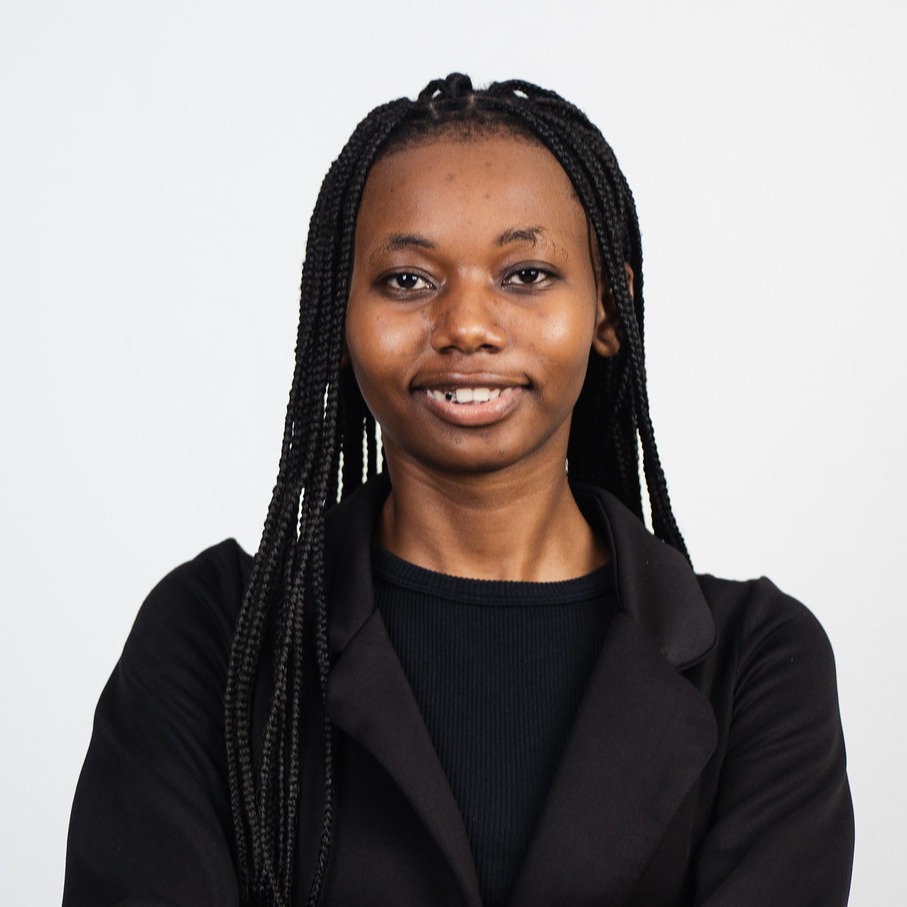
"The partnership with Lisk enables us to extend our platform to serve more people and cater to the increasing demand from products and services that want to integrate our stablecoin and digital assets product to build products across Africa," said Morris Ebieroma, chief infrastructure officer at Quidax.
Lisk, which recently transitioned to an Ethereum Layer 2 to focus on high-growth markets, sees this partnership as a cornerstone for its African expansion.
"Africa represents one of the most critical frontiers for blockchain innovation, where the demand for reliable and inclusive financial tools is urgent," said Chidubem Emelumadu, Ecosystem Lead (Africa) at Lisk.
"Our partnership with Quidax expands access to stablecoins and onchain financial opportunities for everyday users and businesses. At the same time, it gives founders building on Lisk the critical infrastructure they need to create solutions that can scale meaningfully across the continent."
Share