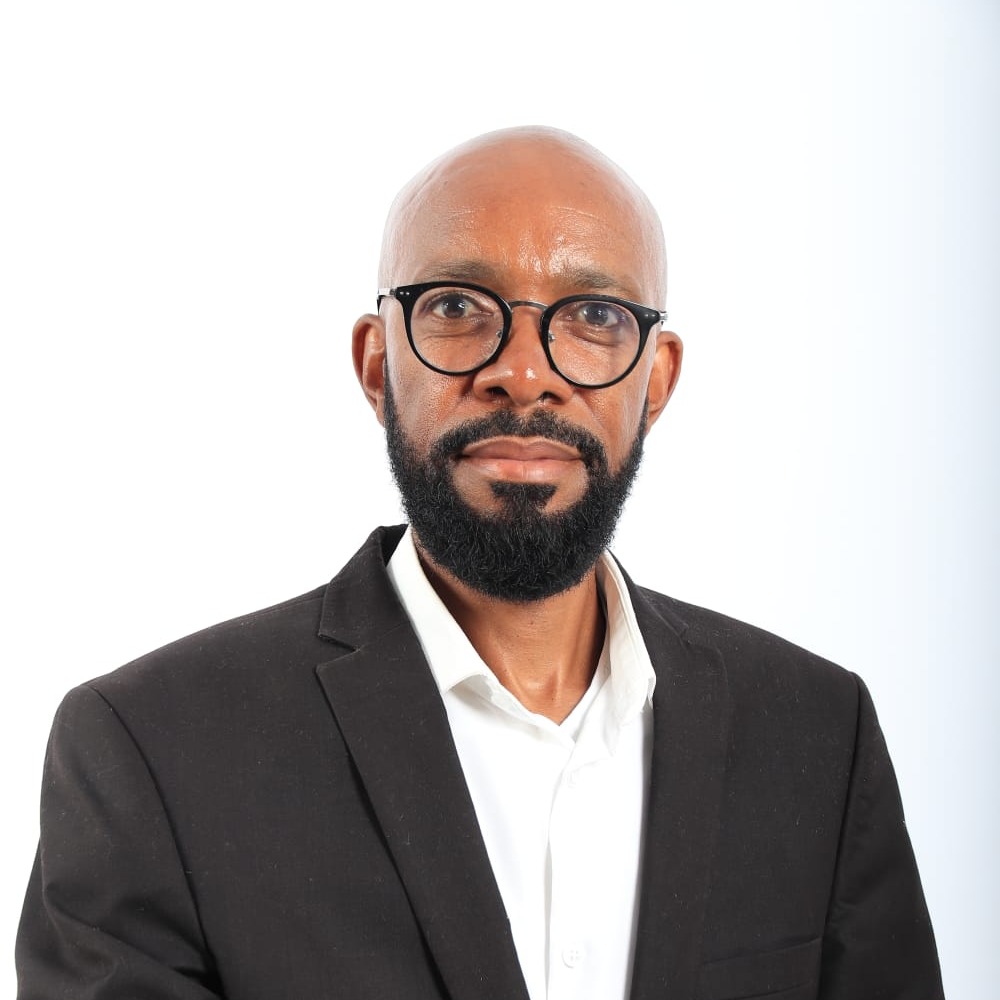



Tsitsi Masiyiwa has called for daily remittances sent home by millions of Africans that amounted to over $60 billion last year, to be accorded the same recognition as global philanthropy.
The Higherlife Foundation co-founder, and entrepreneurial wife of tech billionaire Strive, wants African fintechs and governments to rethink how they value diaspora giving.
“Remittances sent home by millions of Africans abroad should be recognised not just as private family transfers, but as a powerful form of philanthropy. Why do we refer to US giving as philanthropy, but to African diaspora giving as remittances?” she asked.
Echoing a point she raised following the United Nations General Assembly last week, Masiyiwa highlighted the stark contrast between the way global aid is celebrated and the way African generosity is often overlooked.
To make her point, the Zimbabwean philanthropist pointed out that in 2024, charitable donations in the United States reached $592.5 billion, with about $35 billion directed abroad.
In the same period, Africans in the diaspora sent home between $40 and $60 billion, a figure that actually exceeded official development aid to the region.
Masiyiwa’s argument gains further weight when looking at country-level inflows. Egypt received an estimated $22.7 billion in remittances in the past financial year, Nigeria followed with nearly $20 billion, and Morocco secured about $12 billion.
Kenya’s diaspora contributed over $4 billion, representing more than 4 percent of the nation’s GDP.
“Across the continent, these funds are often lifelines, covering essentials such as school fees, healthcare and housing, while also helping families build small businesses and resilience,” she said.
Remittance fintechs such as LemFi, Chipper Cash, Flutterwave, Nsano, Mukuru and Grey are changing the way money moves across borders. They provide faster, cheaper and more transparent services, empowering Africans abroad to support their families while contributing to broader economic activity.
Masiyiwa praised these innovations, saying, “These platforms are the infrastructure of modern giving. They bring transparency, scale and trust, enabling diaspora generosity to be both private and public.”
Masiyiwa believes that by recognising remittances as philanthropy, Africa could unlock policy support, tax recognition and greater celebration of diaspora contributions.
“The future of the continent will be shaped not just by aid, but by Africans themselves, investing in their families, communities and nations,” she said.
Share