

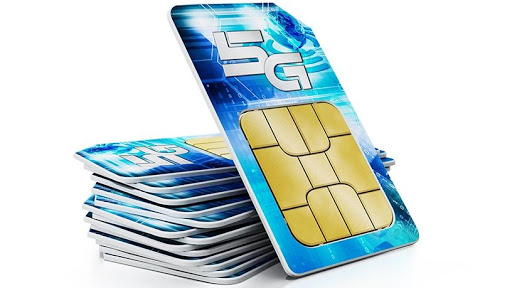
Kenya’s High Court has ruled that mobile phone numbers are not disposable assets, but constitutionally protected digital identifiers, striking at the core of a long-standing industry practice of arbitrarily reassigning inactive SIM cards without the owners' consent.
In a landmark decision that could reshape telecom regulation and digital identity frameworks across Africa, sitting at Milimani Law Courts in Nairobi, Justice Lawrence Mugambi declared that reassigning a phone number without the original owner’s consent violates the right to privacy.
The ruling effectively elevates a SIM card into the same legal category as personal data tied to an individual’s private life.
At the heart of the ruling is Article 31 of the Constitution, which safeguards citizens from unnecessary disclosure of private information and interference with communications.
The court found that in today’s digital economy, a registered mobile number functions as a critical gateway to sensitive personal data, linking users to mobile money platforms like M-PESA, banking systems, email accounts, and social media profiles.
“When mobile digital identity is lost through reallocation or recycling without interrogating the reasons behind inactivity, it creates an avenue for unauthorised disclosure of delicate information,” the judgment stated.
The case, brought by petitioner and former prisoner Erastus Ngura Odhiambo, challenged the routine telecoms practice of deactivating SIM cards after prolonged inactivity and reassigning them to new users.
Odhiambo lost access to his mobile phone number due to inactivity while serving his lengthy sentence.
He argued that the practice exposes individuals to serious risks, including misdirected financial transactions, intercepted one-time passwords, and unintended access to private communications.
The court agreed, highlighting how recycled numbers can result in strangers receiving confidential messages, authentication codes, and even being added to private messaging groups, effectively inheriting fragments of another person’s digital life.
Justice Mugambi also criticised the rigidity of SIM deactivation policies, calling them “arbitrary” for failing to consider legitimate reasons for inactivity such as incarceration, studying in restricted environments, or living abroad.
“Incarceration does not strip an individual of their constitutional rights to privacy and identity,” he noted.
For telecom operators, including Safaricom, the ruling introduces a significant compliance burden. The court outlined three strict conditions before any number can be reassigned.
Telcos must obtain informed and verifiable consent from the original owner, issue a public notice and conduct traceability efforts over a reasonable period.
More importantly, the court further directed that telecoms firms must implement technical safeguards to prevent data exposure to the new user.
The Office of the Attorney General has been given six months to translate these directives into enforceable regulations.
Share