


Optical network operator EllaLink provides high-capacity connectivity on a low-latency transatlantic route, and is offering an alternative path to existing systems for the countries it connects.
In Africa, these countries include Cabo Verde, Mauritania and Morocco.
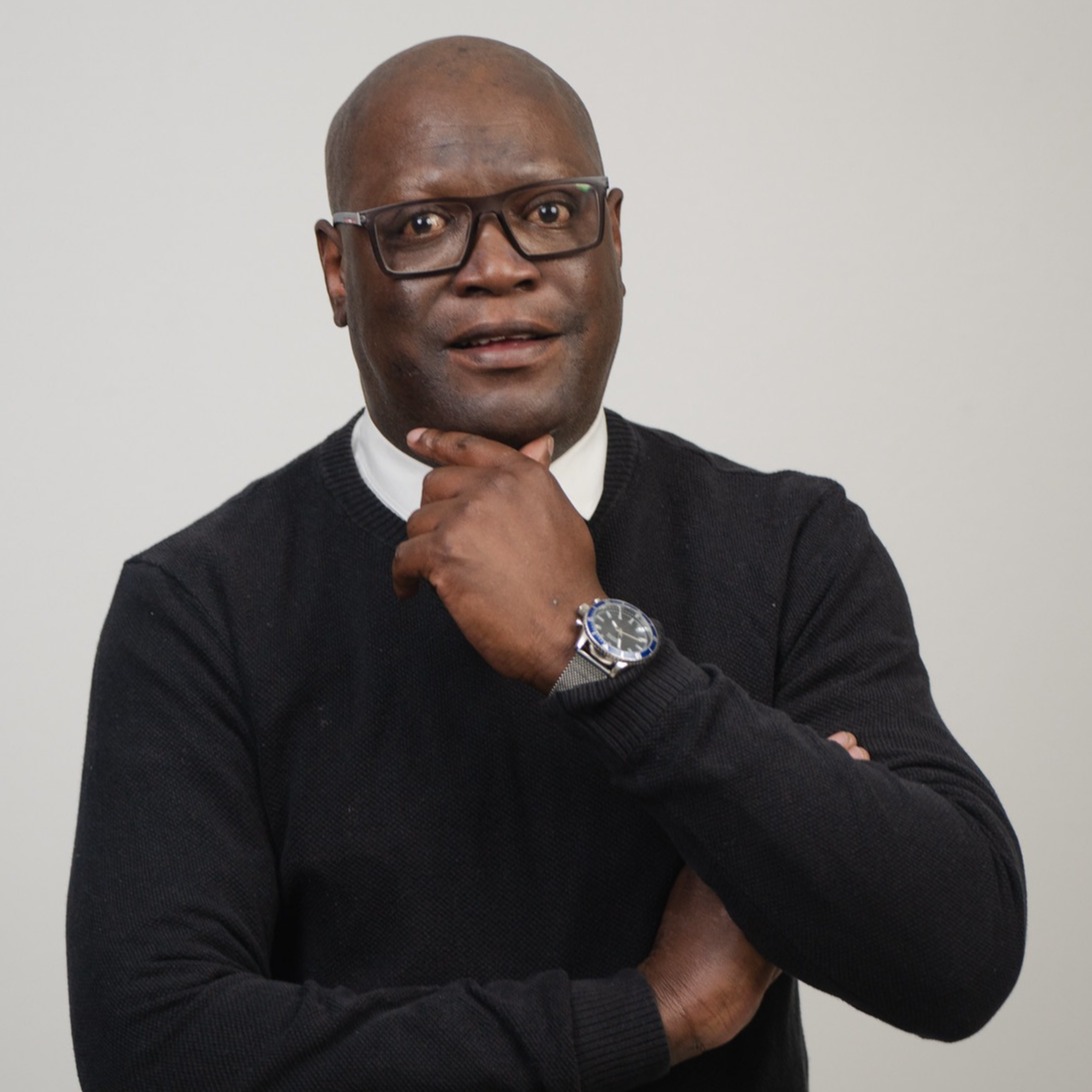
In a recent interview with ITWeb Africa, Philippe Dumont, CEO of EllaLink, revealed that route diversity was key to guaranteeing connectivity.
“The digital economies of African nations depend on uninterrupted access to international content, which means having at least two independent international cable systems to guarantee connectivity at all times,” he said.
Beyond diversity, Dumont explained: “EllaLink provides a dedicated, tailor-made end-to-end infrastructure solution for each landing, with direct access to major European and Brazilian data centres and, beyond them, an alternative route to the United States.
“This improves both reliability and latency of traffic to and from the region.”
Dumont was speaking ahead of Atlantic Convergence 2026, in September in Lisbon, Portugal, which will bring together global leaders, innovators and policymakers to explore how the Atlantic region can build sustainable and secure digital infrastructure.
The organisers say that with subsea cables, terrestrial fibre backbones and space-enabled networks linking Europe, Africa and the Americas, the discussions are relevant to Africa’s digital transformation and connectivity ambitions.
Asked about measures to address geopolitical and environmental risks to subsea cables, Dumont said: “Statistically, most events affecting cables result from human activity, such as fishing and anchoring, or from environmental factors, particularly along the west coast of Africa near the Congo and Senegal undersea canyons.”
Dumont continued: “The EllaLink cable has been designed and built to mitigate these risks along its route.
“It is armoured and buried in the most critical sections, and includes active protection mechanisms. For security reasons, we do not disclose further detail on these measures.”
Since it entered service, EllaLink said it has not experienced a single subsea cut.
Dumont added: “We are also looking ahead. Through the EllaLink GeoLab and SUBMERSE scientific programmes, we are testing Distributed Acoustic Sensing and other technologies.
“These techniques will help improve cable monitoring and security in shallow-water areas.”
Turning to how EllaLink infrastructure is transforming island nations like Cabo Verde into data hubs for the wider West African coastline, Dumont said: “The emergence of a nation as a digital hub depends on two factors… the number of active cables and the data centre capacity available to support them.
“Cabo Verde has taken this route, expanding its data centre capabilities while landing several new systems, including EllaLink.”
Dumont said the result was a transformation into a strategic interconnection point for the wider West African coastline.
“This works because two complementary roles come together. EllaLink provides international connectivity, while Cabo Verde Telecom distributes that connectivity locally,” he said.
“This combination turns a landing point into a genuine hub.”
Share