


Senegal has been challenged for years by a widening digital usage gap, but a new GSMA report suggests the country could dramatically shift this trajectory by 2030.
Launched at the Digital Africa Summit in Dakar, the study shows that with targeted policy and regulatory reforms, Senegal could connect an additional 2.6 million people, expand access to essential digital services, and unlock $1.95 billion (FCFA 1,100 billion) in economic value while creating 280 000 new jobs.
For a country where 54% of the population lives within mobile coverage but does not use the internet, the findings offer a roadmap for closing one of West Africa’s most persistent digital divides.
Despite 97% 4G population coverage and a growing 5G footprint, Senegal’s digital exclusion remains acute in rural regions such as Casamance, Louga and Kédougou, where affordability and skills barriers persist.
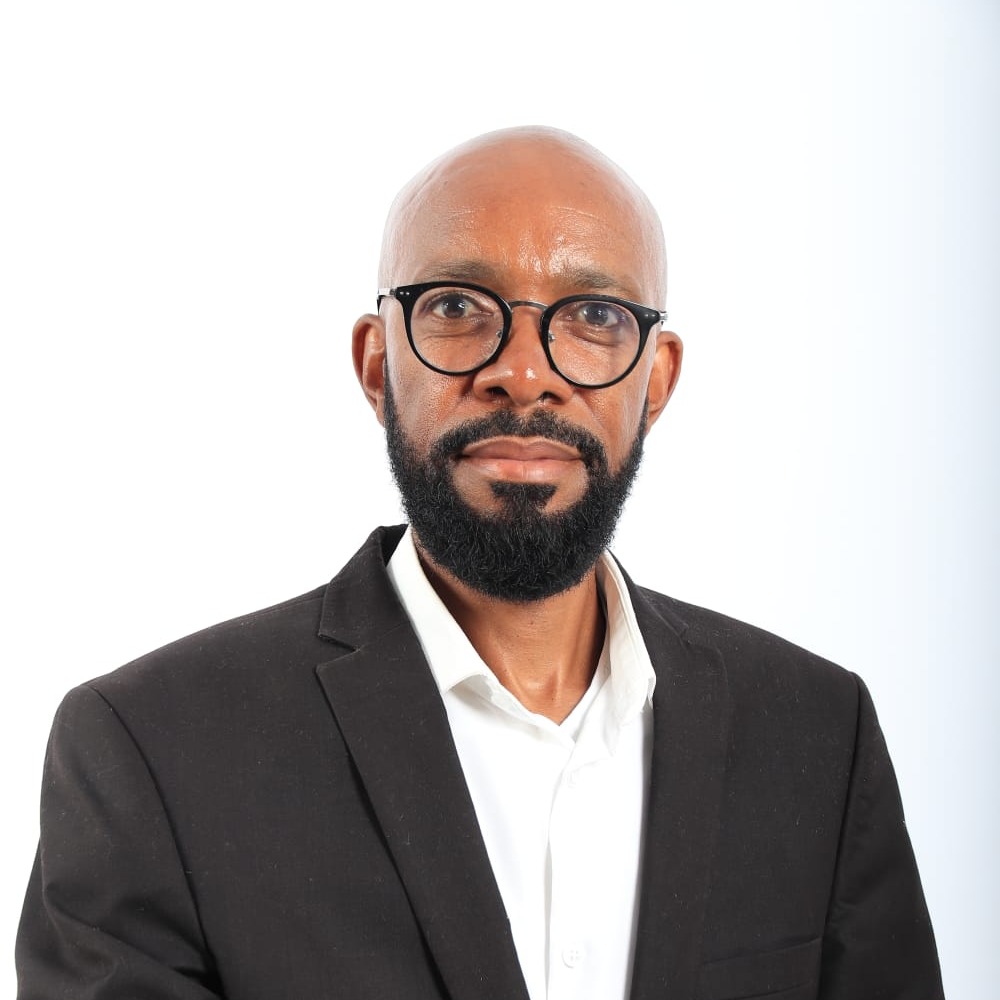
Angela Wamola, Head of Africa at the GSMA, said Senegal is well-positioned for transformation but must act decisively.“Senegal has all the ingredients to become one of Africa’s most dynamic digital economies, from strong national strategies to a young, ambitious population ready to participate. But millions are still held back by the cost of devices, skills gaps and access barriers,” she said.
Wamola stressed that by focusing on affordability, digital skills and an enabling policy environment, Senegal can unlock opportunities for every community, from farmers and traders to students, entrepreneurs and public service users.
The report draws direct connections between digital reform and broader socioeconomic development. It argues that modernised regulation, streamlined investment processes, and stronger alignment between the energy and telecoms sectors would not only strengthen infrastructure reliability but also ensure digital services reach the underserved communities most affected by the usage gap.
Increasing affordability is central to this effort, particularly as the price of an entry-level smartphone remains equivalent to 19% of monthly GDP per capita.
These reforms are expected to deepen participation in education, healthcare and financial services while empowering farmers and SMEs through mobile payments, digital marketplaces and climate-smart agricultural tools. By expanding digital public services under the New Deal Technologique 2034 and accelerating initiatives such as PAENS and Digital Senegal 2025, Senegal could finally bridge its regional divides and build a more inclusive digital future.
The GSMA, a global organisation representing mobile operators and the broader mobile ecosystem, believes the real impact of these reforms goes beyond infrastructure. “It lies in giving every Senegalese citizen the ability to thrive in an increasingly connected economy,” said Wamola.
Share