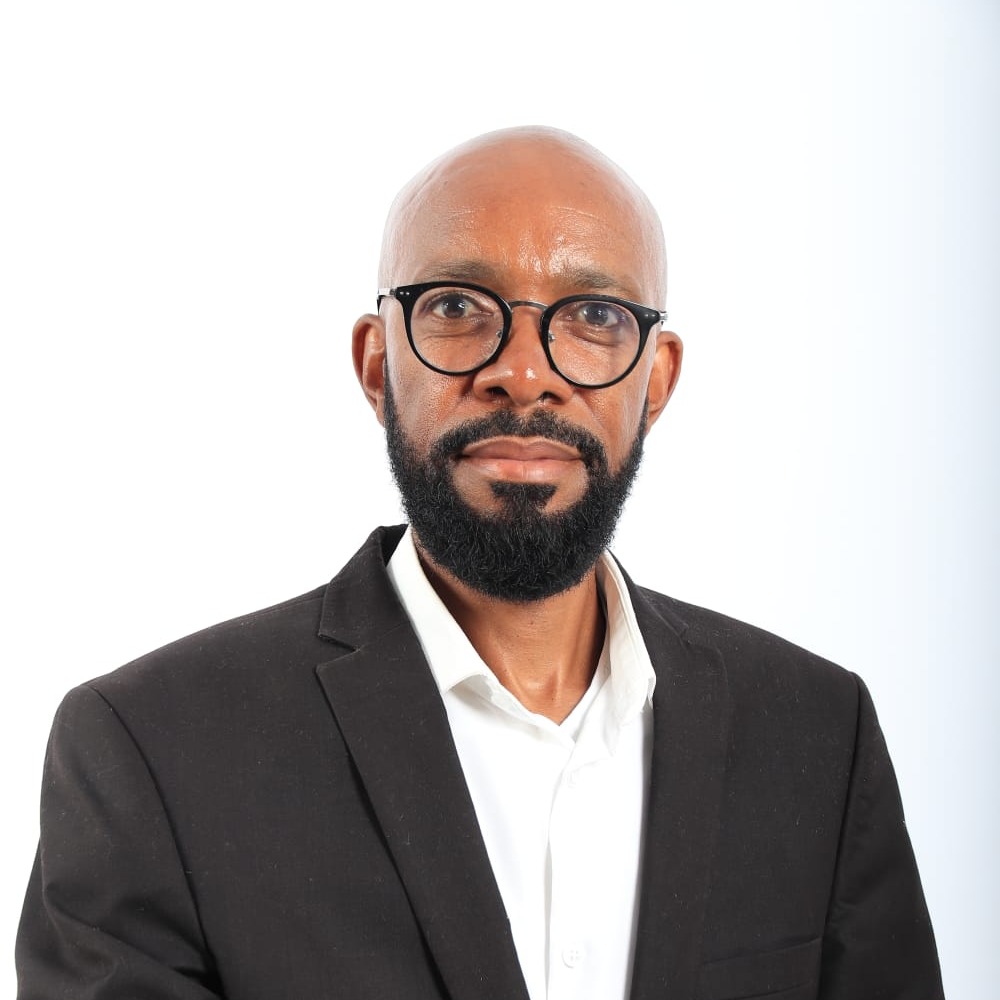



The war over South Africa’s most famous mobile innovation is far from over. The Constitutional Court has sent Nkosana Makate’s “Please Call Me” case back to the Supreme Court of Appeal, calling for a fresh review by new judges.
Delivering a unanimous judgment, Acting Deputy Chief Justice Mbuyiseli Madlanga said the SCA had failed in its “duty of proper consideration” by overlooking critical evidence and accepting Makate’s compensation models without adequate scrutiny. “This failure violates the rule of law and Makate’s right to a fair hearing,” he said.
Makate, who created the popular “Please Call Me” service in 2000 while a trainee accountant at Vodacom, has been embroiled in a legal battle with the telecoms giant since 2008. He is demanding R9.4 billion in compensation, claiming Vodacom earned over R200 billion in voice revenue from the innovation between 2001 and 2020.
The SCA had earlier ruled in Makate’s favour, directing Vodacom to pay him between 5% and 7.5% of the revenue generated by the service over 18 years, plus interest. But the Constitutional Court has now overturned that decision, ordering the matter be re-evaluated due to “legal and factual deficiencies”.
“This case has pushed the boundaries of our jurisprudence. Contemplating such a failure by a superior court is unprecedented,” ruled Madlanga
Speaking outside court, Makate remained confident that he can convince the SCA to order Vodacom to pay him billions, which he feels entitled to for his concept. “Im still resilient and I will forever be. We will go back to the SCA and SCA must relook the case and provide us with a judgment that will stand the test,” he said.
Vodacom, for its part, welcomed the apex court’s ruling. The company argued that the SCA’s previous order was ambiguous and unenforceable, particularly as it relied on Makate’s disputed calculations. “Makate is trying to rewrite the SCA’s judgment by selectively abandoning parts of the order,” Vodacom argued in court papers.
The Constitutional Court’s decision effectively resets the clock on a 17-year dispute that continues to raise critical questions about intellectual property rights, fair compensation, and corporate accountability in South Africa’s technology sector.
With the matter heading back to Bloemfontein, all eyes will once again be on the courts and whether justice will finally ring true for the man behind “Please Call Me.”
Share