


Africa’s climate technology space continues to attract substantial investment, but the capital is too concentrated, unevenly distributed and investors are risk averse.
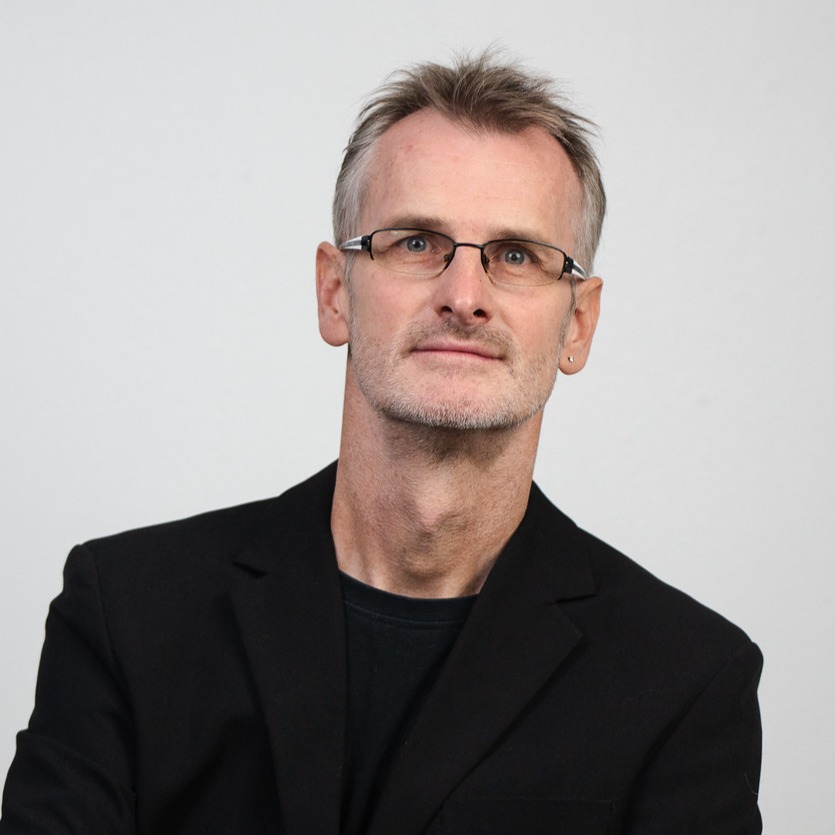
This is according to Maelis Carraro, managing partner, Catalyst Fund, who delivered a keynote presentation on day one of the AfricArena Nairobi Climate Tech Summit 2025.
Carraro reflected on the state of climate tech in Africa and said the climate crisis continues to impact all sectors, with 2025 being a stark reminder of the devastation that climate change can cause.
She referred to the California wildfires that occurred in January 2025 as an example and said this event alone cost $250 billion.
Amid this climate crisis, there is an opportunity for innovation and for startup entrepreneurs to capitalise. However, the funds made available are disproportionately allocated.
“Sectors that remain critical to economies like agriculture remain undercapitalised. This is changing slightly, we are excited to see overall innovation, more in mobility, more in crop insurance … but most capital is still only for a few companies – and mostly energy.”
Carraro said across the 2019-2025 period, 70% of all disclosed climate tech funding has gone to 20 companies, which are predominantly focused on energy.
In terms of share of climate tech funding by volume, energy dominates with 87% of 2025 climate-tech funding (especially solar energy) and consistently over half of all funding since 2019. Agriculture and food captured only 3.4% in 2025.
In Africa, she said just three companies – d.light, Sun King (Greenlight Planet) and Burn – collectively accounted for 70% of all climate-tech funding.
Carraro said while there has been a rise in Series B/C funding (stages of growth reached by a startup fit for market and secured revenue) since 2021, pre-seed activity is falling since its peak in 2023.
“If we don’t fund the early stages, tomorrow’s pipeline won’t exist,” said Carraro.
She highlighted that in 2025, 72% of climate tech capital in Africa came in the form of debt, mostly for large-scale energy projects.
Equity rounds make up the majority of deal counts, she said, however grants play a critical role for early stage funding.
Despite these challenges, experts claim climate tech in Africa is projected to grow, backed by ongoing innovation, venture capital contributions, and structures to ensure funds are more evenly distributed.
The global market for climate adaptation and resilience solutions is projected to grow to between $500 billion and $1.3 trillion annually from 2025 onward, said Carraro citing BCG data.
For Africa to develop in this area, she said the continent must introduce its own playbook for climate innovation, it must unlock domestic capital and broaden the ecosystem of innovations.
“We must tell stories of real impact on the ground, not just at funding rounds,” said Carraro.
EIB Global partners unlock climate finance
In a development related to climate technology finance, but away from the Summit, the development arm of the European Investment Bank (EIB) issued a statement announcing technical assistance agreements with Zemen Bank SC, Dashen Bank SC and Hibret Bank in Ethiopia that will support them in strengthening their ability to identify, assess, and manage climate-related risks, integrating them into their business strategies and daily operations.
According to the statement, the banks will be better equipped to assess how climate change could impact their clients and encourage investments that strengthen their resilience against extreme weather events, such as floods and droughts.
The announcement was made during a signing ceremony between EIB Global and the three local banks on the sidelines of the second edition of the Africa Climate Summit underway in Ethiopia’s capital, Addis Ababa.
Climate-related financial flows to Africa represent only 12% of the annual climate financial flows the continent needs to implement nationally determined contributions and meet its 2030 climate goals.
* ITWeb Africa’s attendance at the AfricArena was funded by the organisers.
Share